

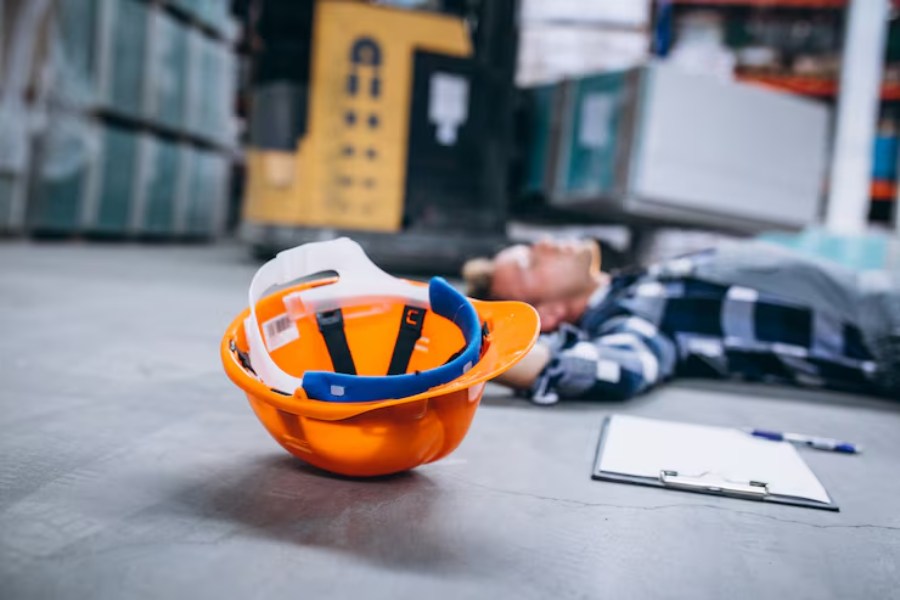
Most workplace injuries do not start with a dramatic accident. They start quietly. A sore wrist after a long shift. A stiff back that loosens up by lunchtime. A headache that shows up every Sunday night before work. Because these symptoms feel manageable, many employees ignore them. That decision often comes back later in ways people do not expect.
What surprises many workers is not the injury itself, but how quickly a delayed response can lead to a workers’ comp claim denied, especially when guidance from a workers compensation attorney San Diego comes into the picture only after problems have already stacked up. Injuries that are ignored, undocumented, or brushed off too casually become much harder to tie back to work later on. By the time support is needed, the system is far less forgiving.
Understanding which injuries are commonly underestimated is one of the simplest ways to protect both health and rights.
Injuries that don’t look serious at first
Some of the most damaging work-related injuries are the ones that do not stop someone in their tracks. There is no fall, no emergency visit, no obvious moment where something went wrong. Instead, symptoms show up slowly and inconsistently.
Tingling in the fingers. Tightness in the neck. Pain that fades on days off and returns during the workweek. Because these issues feel temporary, employees often push through them without reporting anything. The problem is that workers’ compensation injuries are often evaluated based on documentation and timelines. When early symptoms are ignored, it becomes easier for insurers to question whether the injury is truly work-related.
Repetitive strain builds damage quietly
Repetitive strain injury at work is one of the most overlooked categories of workplace harm. These injuries develop from repeated motions, sustained positions, or constant low-level stress on the same muscles and joints. They are common in desk jobs, manual labor, and service roles alike.
The challenge is that repetitive strain does not feel like an injury at first. It feels like fatigue. Employees adjust their posture, switch hands, or take a break, assuming the issue will resolve. Over time, small changes in how the body compensates can create long-term damage.
When a workers’ compensation claim is eventually filed, the lack of early reporting often becomes the focus instead of the injury itself. That is where many legitimate claims begin to unravel.
Pain people learn to work through
Back pain, knee pain, and shoulder pain are often treated as part of the job. Many workers feel pressure to keep going, especially when the pain is not constant or severe. The problem is not the decision to work through discomfort. It is the assumption that pain equals weakness or inconvenience rather than injury.
Workplace injury symptoms that come and go are still symptoms. When pain affects sleep, movement, or concentration, it deserves attention. Waiting until pain becomes unbearable often means months of undocumented damage. From a claim perspective, that gap raises questions that employees are then forced to answer.
Stress and psychological injuries that are easy to dismiss
Mental and emotional strain is one of the most misunderstood areas of workers’ compensation. Chronic stress, anxiety, and burnout caused by work conditions are often dismissed because they leave no visible mark. Many employees assume these issues do not qualify as work-related injuries at all.
In reality, psychological injuries can be part of a workers’ compensation claim when they are tied to job duties or work environments. The difficulty lies in proving impact and timing. Early acknowledgment and documentation matter just as much here as they do for physical injuries.
A simple example that happens often
Consider an employee who develops wrist pain from repetitive tasks. At first, the pain only appears near the end of the day. They stretch, take breaks, and keep working. No report is made because it feels minor.
Months later, the pain becomes constant. A doctor diagnoses nerve compression linked to repetitive motion. When a workers’ compensation claim is filed, the timeline becomes an issue. The insurer questions why the injury was not reported earlier and whether outside activities played a role. What started as a manageable problem now risks becoming a workers’ comp claim denied.
The injury did not change. The delay did.
Common mistakes that weaken legitimate claims
Many employees make the same avoidable mistakes when dealing with work-related injuries:
- Waiting too long to report symptoms because they seem minor
- Assuming gradual injuries do not qualify
- Failing to describe how work tasks contribute to pain
- Continuing to work through symptoms without medical documentation
These missteps do not mean a claim lacks merit. They simply make it easier for others to challenge it.
Why early awareness matters
Workers’ compensation systems are built on documentation, consistency, and timing. Ignoring early signs of injury often shifts the focus away from recovery and toward defending credibility. That is where experienced workers’ compensation lawyers play a critical role. They help injured employees understand how injuries are evaluated and how to protect their rights before mistakes compound.
Being informed does not mean assuming the worst. It means recognizing that early action often prevents unnecessary stress later. When injuries are taken seriously from the start, outcomes tend to be clearer, fairer, and easier to manage.

William Gall is a seasoned attorney specializing in civil litigation and family law. With a legal career spanning over two decades, William has built a reputation for his meticulous attention to detail and his unwavering commitment to justice. In addition to practicing law, he is a prolific writer, contributing regularly to various legal blogs where he shares his insights on current legal trends, case law, and best practices. His articles are well-regarded in the legal community for their thorough research and practical advice, making complex legal concepts accessible to both legal professionals and the general public.