

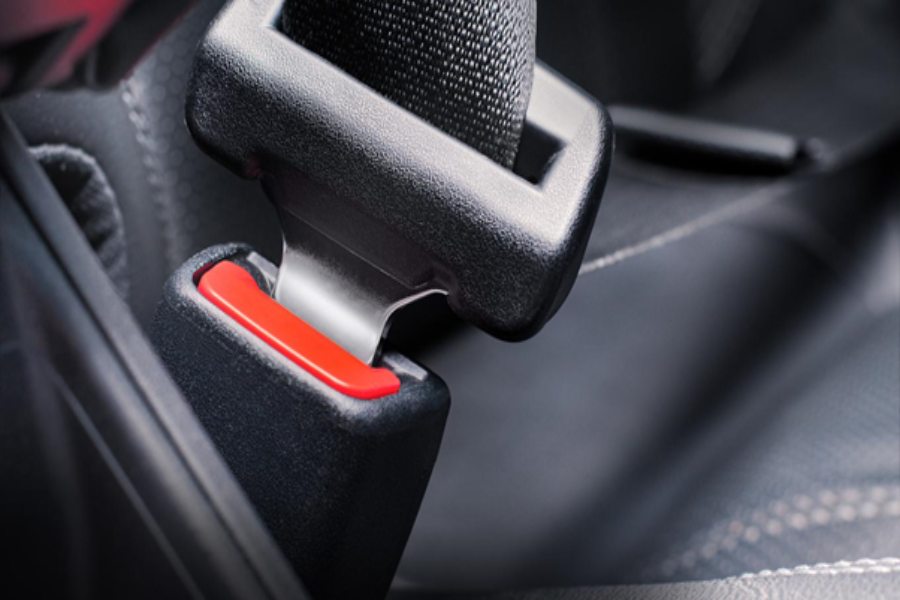
After a crash in Texas, you’re often dealing with two pretty different—but definitely related—problems: you might get a ticket for not wearing your seat belt, and then there’s the chance that your seat belt use (or, honestly, not using it) could be used against you if you file an injury claim. Under Texas law, a seat belt ticket is just a misdemeanor and usually means a fine, but here’s the kicker: if you weren’t buckled up and that fact probably made your injuries worse, the other side can bring it up in court. That can shrink your payout thanks to Texas’s comparative-fault rules.
Let’s dig into how Texas deals with seat belt requirements, who’s exempt, what the penalties are, and how all of that might affect your claims after a crash. We’ll get into when not wearing a seat belt can really hurt your case (and when it probably won’t), plus some practical thoughts on what to do next—including when you might want to call a Texas car crash lawyer.
Texas Seat Belt Laws and Ticketing: Requirements, Exceptions, and Penalties
Texas law lays out who has to buckle up, how kids are supposed to be secured, what the fines look like, and a few scenarios where you might be off the hook. The rules, split between lap-and-shoulder belts for adults and special seats for kids, spell out misdemeanor fines and allow certain defenses if you get a citation.
Current Legal Requirements for Seat Belt Usage
Basically, if you’re 15 or older in Texas, you’re supposed to wear both a lap and shoulder belt in any seat that’s got one. If you’re driving, you’re on the hook for making sure anyone under 17 is buckled up or in the right child seat. As far as the law’s concerned, if your vehicle is supposed to have belts, that counts—even if they’re buried under the seat cushions somewhere.
Drivers have to secure kids under 8, unless the kid is taller than 4’9”. The law covers vehicles that fall under Texas equipment rules, and it gets pretty specific about what counts as a “safety belt” and a “passenger vehicle” for enforcement and fines. It’s a lot of legal language, but the gist is: if there’s a belt, use it.
Rules for Children: Child Safety Seats and Booster Seats
Kids under eight in Texas need to be in a child restraint system, unless they’re taller than 4’9”—that’s the cutoff. For the little ones under two, they’re supposed to stay rear-facing until they outgrow the seat’s limits (and you’ll want to check the sticker or manual for that). Caregivers have to pick seats that meet federal crash-test standards, which, frankly, every modern seat does, but it’s still on you to check.
If you get pulled over and don’t have a child seat at the time, Texas courts will let you off the hook if you go out and get the right seat and show proof to the court. The law and all those agency pamphlets really push installing and using seats exactly how the manufacturer says, and sticking to national safety guidelines.
Penalties for Non-Compliance and Secondary Enforcement in Texas
If you break the seat belt or child-seat laws, it’s a misdemeanor, and the fine depends on what you did. For adults, it’s usually $25–$50 if you’re not wearing a belt. But if you let a kid ride unbelted when they’re supposed to be buckled, expect something like $100–$200. If you mess up the child-seat rules, you might get hit with anything from $25 up to $250.
Seat belt laws are mainly enforced as traffic offenses. In some places, though, cops can’t just pull you over for not wearing a belt—they need another reason first. Also, some of the money from those fines is earmarked by law for trauma-care funds, which is actually a pretty good idea.
Legal Defenses and Exemptions for Seat Belt Tickets
There are a few ways out of a seat belt ticket. If you’ve got a medical reason and a doctor backs you up in writing, you’re good. People with certain jobs—postal workers, newspaper carriers, utility meter readers, and a handful of others who are in and out of their vehicles all day—are exempt while they’re working. There are also exceptions for emergency vehicles and, in some cases, when you’re transporting passengers for hire.
If you get a ticket for not having a child seat, you can dodge prosecution by proving you didn’t have one at the time but got a compliant one afterward. Judges might hit pause on your case and send you to a special class on child passenger safety and seat belt use, which, honestly, isn’t the worst way to learn something useful.
Impact of Seat Belt Tickets and Defenses on Texas Injury and Accident Claims
Whether you got a ticket or not, and whether you were wearing a belt, can really shape what happens with your injury claim after a crash. Courts and insurance companies both want to know if not wearing a seat belt made your injuries worse, since that’s a big factor in who pays what.
Comparative Negligence and Evidence in Personal Injury Cases
Texas is a proportionate-fault state, so if more than one person contributed to an injury, the blame—and the payout—gets split. If you weren’t wearing a seat belt, a jury can assign you a chunk of the fault for your own injuries, which means less money for you.
For seat belt evidence to even get in front of a jury, the defense has to show that not wearing it actually mattered for the injuries you’re claiming. This usually takes biomechanical professionals or accident reconstruction. Judges will usually look at the evidence before letting the jury hear about it.
If you’re the plaintiff, expect the defense to try hard to introduce evidence that you weren’t buckled up. But they can’t just say “no belt, no money”—they have to connect it to the injuries. Jury instructions will spell out exactly how much fault gets assigned, based on what everyone did or didn’t do.
Role of Seat Belt Usage in Determining Fault and Damages
Wearing your seat belt (or not) can affect both how much blame you get and how much money you might be awarded for things like medical bills, lost wages, and pain and suffering. If a medical witness says your injury—say, a busted rib or head injury—wouldn’t have happened if you’d been buckled, your damages might get cut down by your share of the blame.
On the other hand, if you were following the seat belt rules, that’s a pretty solid way to push back on any claim that you caused your own injuries. But if you broke the seat belt law, the jury might see that as you not being reasonably careful.
Courts look closely at what happened before the crash (like not buckling up) versus what you did after. The focus is on whether or not wearing the belt actually caused the injury at the moment of impact—that’s what really affects the damage calculation.
Effect of Non-Compliance on Insurance Claims
Insurance adjusters almost always check for seat belt use early on, since it can totally change how they handle your claim or what they might offer. If you weren’t buckled, expect them to ask for all kinds of records—photos, police reports, medical details—to try to lower (or even deny) your payout.
Neither Texas law nor most insurance policies flat-out bar you from recovering if you weren’t wearing a belt, but insurers love to argue for reduced liability based on shared fault. They’ll sometimes bring in their own consultants to question whether not wearing a belt caused your injuries, all to justify a lower settlement.
If you can show that you always wear your seat belt, or that not wearing it didn’t actually cause your injuries, your odds of a decent settlement go way up. Having good documentation—like photos from the scene, details about the seat belt system, and fast medical follow-up—can really boost your claim’s value.
How Juries, Trials, and Witness Statements Shape Case Outcomes
Juries are the ones sorting out who actually caused a crash and just how much each person’s actions played into the injuries. Sometimes, what witnesses say about things like seat belt use—maybe what they told the police or a paramedic at the scene—ends up being crucial, especially if there’s real evidence or a qualified testimony backing it up.
Lawyers tend to build their whole trial game plan around how believable witnesses seem, visual evidence, and those professional biomechanical folks who can explain (hopefully in plain English) how not wearing a belt might’ve led to something like a neck injury or internal damage. Cross-examination? That’s where they’ll dig into any shaky witness stories or missing links in the medical explanation.
When it’s all said and done, the judge gives the jury instructions to turn those percentages of fault into actual numbers—cutting down damages for things like future medical bills or pain and suffering if someone’s partly to blame. If the witness statements are solid and the qualified witnesses can clearly tie the lack of a seat belt to the injuries, well, the side arguing that point stands a much better shot at winning the case.

William Gall is a seasoned attorney specializing in civil litigation and family law. With a legal career spanning over two decades, William has built a reputation for his meticulous attention to detail and his unwavering commitment to justice. In addition to practicing law, he is a prolific writer, contributing regularly to various legal blogs where he shares his insights on current legal trends, case law, and best practices. His articles are well-regarded in the legal community for their thorough research and practical advice, making complex legal concepts accessible to both legal professionals and the general public.