

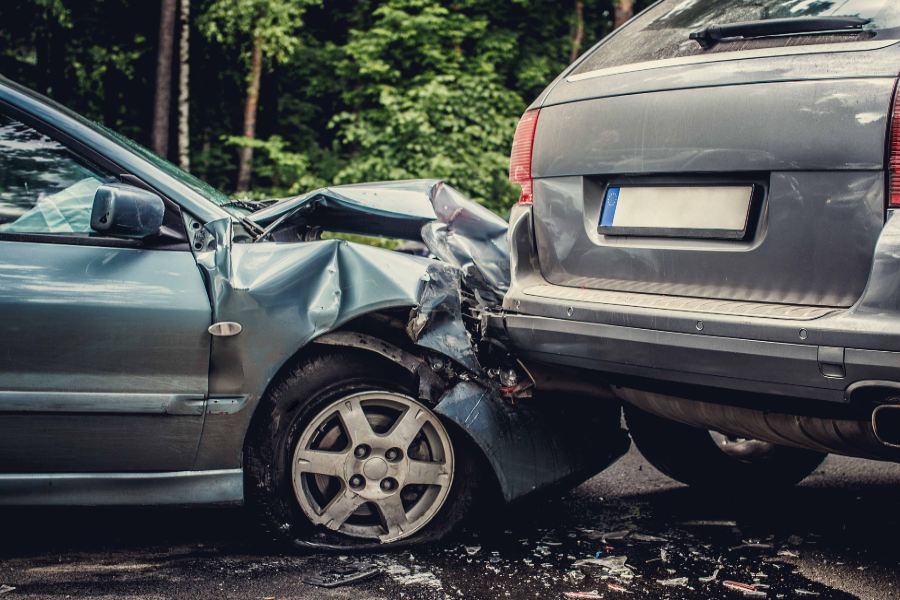
Intersection crashes are among the most common and complex types of motor vehicle collisions, often resulting in serious injuries, significant property damage, and disputed fault. When dealing with intersection accidents and injuries, proving fault is critical to securing fair compensation, but it requires more than simply pointing to who was at the scene. Building a strong case involves gathering specific evidence that clearly shows how the crash occurred and who was responsible for it.
Why Proving Fault Matters
In any vehicle collision, establishing fault is essential for insurance claims and legal actions. At intersections, drivers may blame one another, point to malfunctioning signals, or dispute what they saw in the moments leading up to the collision. Without solid proof, insurance companies often look for reasons to reduce payouts or deny claims altogether. That’s why the evidence you collect immediately after an accident can make or break your ability to recover damages for medical costs, lost wages, pain and suffering, and other losses.
Police Reports and Official Documentation
One of the most vital pieces of evidence in an intersection accident case is the police report. When law enforcement responds to a crash, they typically prepare an official report documenting their observations, statements from drivers and witnesses, citations issued, and preliminary conclusions about what happened. These reports aren’t binding on liability, but they carry significant weight with insurance adjusters and courts because they represent an unbiased record taken shortly after the incident.
In addition to the written report, photographs taken by officers at the scene—including vehicle positions, traffic signals, skid marks, and road conditions—help preserve crucial details that may later be altered or lost.
Photos and Videos from the Scene
Visual evidence is incredibly powerful in proving fault. After an intersection collision, taking your own photos and videos of the scene helps document what conditions looked like in real time. Key images include:
- Positions of vehicles immediately after impact
- Damage to all cars involved
- Skid marks and debris patterns
- Traffic signals and signs
- Road markings, lighting, and weather conditions
If available, footage from nearby surveillance cameras, dashboard cameras, or even bystander videos can provide unbiased visual accounts of how the crash unfolded. These visuals can corroborate statements and help experts reconstruct the accident later.
Witness Statements
Eyewitness testimony can be invaluable in intersection accident cases. People who saw the crash happen may recall important details that drivers involved might not notice in the chaos of the moment. Talking to witnesses at the scene and obtaining their contact information allows your attorney to follow up with formal statements. Their accounts can shed light on issues like who had the right of way, whether a driver ran a red light or stop sign, or if one vehicle drifted into another’s lane.
Traffic Light and Signal Data
In many intersection accidents, traffic control devices play a central role in determining fault. If the crash occurred at a signalized intersection, investigators may request traffic signal timing data to verify whether lights were functioning correctly and which driver had the right of way. This data can be especially helpful when drivers disagree over who entered the intersection on a green light or whether a malfunction contributed to the collision.
Black Box and Telematics Data
Modern vehicles often contain event data recorders (commonly referred to as “black boxes”) that capture important information at the moment of a crash. This may include speed, braking patterns, steering input, and the status of safety systems like airbags. When available, this data can offer objective evidence of how a vehicle was operating just before and during impact. Lawyers often work with accident reconstruction experts who know how to retrieve and interpret this information.
Medical Records and Injury Documentation
While medical records do not directly prove fault, they play a crucial role in showing the extent and nature of injuries caused by the accident. These records help connect the collision to your damages, which is essential in a fault‑based claim. Consistent documentation of injuries, treatments, and prognoses supports your narrative of how the accident impacted your health and life.
Expert Analysis and Reconstruction
Sometimes the facts of a case are not clear cut, especially when fault is heavily disputed. In such situations, lawyers will enlist accident reconstruction specialists to analyze the scene, vehicle dynamics, and physical evidence. These experts use scientific methods to recreate the collision and provide testimony about factors like vehicle speed, angles of impact, and point of collision. Their objectively derived conclusions can be highly persuasive in negotiations and in court.
Conclusion
Proving fault after an intersection accident involves assembling a comprehensive set of evidence that clearly tells what happened and why. From police reports and photos to witness testimony, telematics data, and expert analysis, each piece plays a critical role in building a strong case. The sooner you begin preserving this evidence after a crash, the stronger your position will be when facing insurance companies or pursuing legal action. If you’ve been injured in an intersection collision, understanding what evidence matters most—and taking steps to secure it—can substantially improve your chances of obtaining fair compensation.
Key Takeaways
- Proving fault in an intersection accident is essential to recovering compensation and requires clear, well-documented evidence.
- Police reports, photos, and videos provide critical, time-sensitive details about how the crash occurred.
- Witness statements and traffic signal data can help establish right of way and clarify disputed facts.
- Vehicle black box data and expert accident reconstruction offer objective insights into driver behavior and collision dynamics.
- Promptly preserving evidence strengthens your position against insurance companies and in potential legal claims.

William Gall is a seasoned attorney specializing in civil litigation and family law. With a legal career spanning over two decades, William has built a reputation for his meticulous attention to detail and his unwavering commitment to justice. In addition to practicing law, he is a prolific writer, contributing regularly to various legal blogs where he shares his insights on current legal trends, case law, and best practices. His articles are well-regarded in the legal community for their thorough research and practical advice, making complex legal concepts accessible to both legal professionals and the general public.