

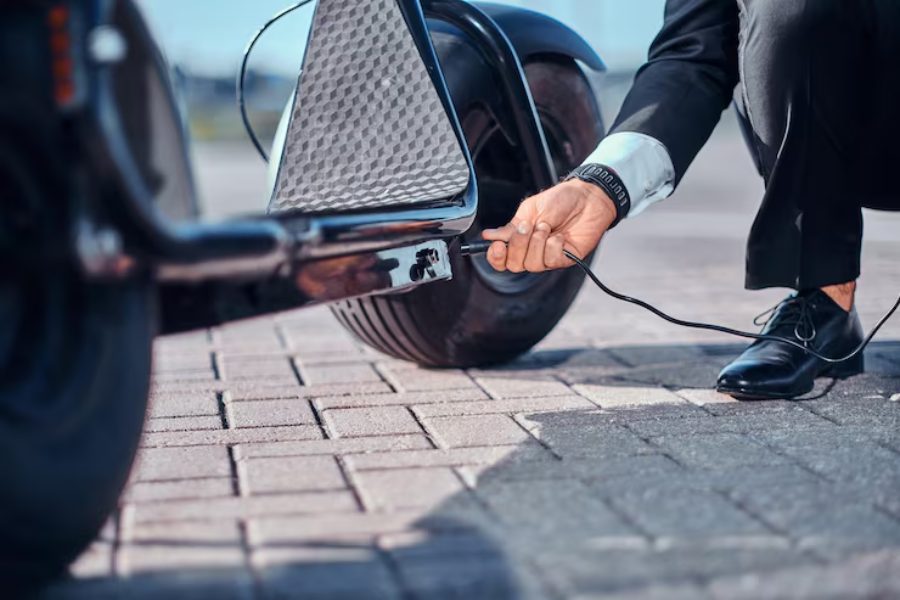
Electric scooters certainly offer convenience and flexibility, but accidents are becoming increasingly common. Understanding how liability is determined can protect injured riders and ensure fair compensation.
E‑scooters have really transformed urban mobility, providing an affordable and very efficient way to navigate city streets. Yet their growing popularity has led to an increase in accidents, from minor collisions to serious injuries. Determining liability in these crashes can indeed be complex, as multiple parties may share responsibility, including riders, motorists, scooter companies and municipalities. This article explores how U.S. courts and legal experts assess liability, what factors influence fault and why legal guidance is often essential for accident victims.
Understanding the Basics of Scooter Accident Liability
Scooter accidents often involve overlapping sources of fault. A crash may result from rider error, motorist negligence, defective equipment, or dangerous infrastructure. U.S. law generally considers four elements in establishing liability: duty of care, breach of duty, causation and damages. Riders, drivers, manufacturers and local authorities all owe a duty to prevent harm, but proving which party breached that duty certainly requires evidence.
Liability can be shared. Many states apply comparative negligence rules, meaning that if the injured rider bears partial fault, their compensation may be reduced accordingly. In a few states with contributory negligence rules, if the rider is even slightly at fault, recovery could be barred entirely. This highlights the importance of documenting every aspect of the accident promptly.
Why Scooter Accident Lawyers Matter
When injuries are serious, navigating liability can be overwhelming. That’s why hiring qualified
scooter accident lawyers is often essential. For instance, The Capital Law Firm in Los Angeles specializes in e‑scooter accidents, offering free consultations and guidance through insurance claims and legal procedures.
Experienced lawyers can investigate every aspect of a crash: rider behavior, vehicle involvement, road conditions and equipment function. They ensure that evidence, photos, videos, maintenance logs and medical records are appropriately documented. By doing so, they help maximize compensation for medical bills, lost income, pain and suffering and other damages.
When Riders May Be Liable
Riders can contribute to accidents through unsafe behavior. Common causes include speeding, running red lights, riding on sidewalks when prohibited and operating scooters while distracted or impaired. Riders also increase risk by failing to wear protective gear such as helmets.
Even minor errors can affect liability outcomes. For example, a rider who jumps a red light and collides with a vehicle may share some or all responsibility for the crash. However, comparative liability laws in most states allow injured riders to recover a portion of their damages even if other parties were also negligent.
Shared Fault With Motorists and Other Road Users
Collisions between scooters and vehicles are frequently caused by motorist negligence. Drivers may fail to yield, misjudge scooter speed, or ignore traffic laws. Pedestrians or bicyclists who unexpectedly cross a rider’s path can also contribute to accidents.
Evidence is crucial. Dashcam footage, surveillance video, witness statements and police reports help establish fault. Because scooters are smaller and less visible than cars, courts often consider the driver’s duty of care very carefully. In cases where multiple parties contributed to the crash, compensation may be apportioned according to each party’s degree of fault.
Defective Equipment and Manufacturer Liability
Not all scooter accidents stem from human error. Mechanical failures, such as faulty brakes, steering malfunctions, or throttle issues, can cause serious crashes. In such cases, liability may fall on manufacturers, rental companies, or maintenance providers.
Evidence such as maintenance records, recall notices and user manuals can support claims against equipment providers. Rental agreements often include waivers limiting the company’s liability, but courts sometimes find these waivers unenforceable when gross negligence is demonstrated. Understanding these nuances is essential for anyone pursuing a product‑liability claim.
Infrastructure and Municipal Responsibility
Road hazards, poorly maintained bike lanes, debris, potholes and inadequate signage can contribute to scooter accidents. Municipalities may be liable when negligence in road maintenance or infrastructure design is involved.
However, pursuing claims against a city or local government often requires strict adherence to procedural rules, such as providing notice of a claim within a limited time frame. Some states protect municipalities from certain lawsuits, making these cases more complex than standard accident claims. Injured riders should act promptly to preserve their rights and document all relevant conditions.
Gathering Evidence After a Scooter Accident
The foundation of any liability claim is evidence. Immediately following a crash, injured parties should:
- Call emergency services and file a police report.
- Photograph the accident scene, including road conditions, vehicles, scooters and damage.
- Collect witness contact information and statements.
- Document injuries with medical reports and maintain records of follow-up care.
- Save rental or manufacturer details, including serial numbers, QR codes and usage agreements, if applicable.
Timely evidence collection strengthens claims and clarifies fault, which is especially important in cases involving multiple liable parties.
Common Injuries and Damages
Scooter crashes can result in fractures, head injuries, spinal trauma, road rash and internal injuries. These injuries may require extensive medical care, rehabilitation and time off work. U.S. claims often seek compensation for immediate and ongoing medical costs, lost wages, diminished earning capacity and pain and suffering. Catastrophic injuries or fatalities can lead to claims for long-term support or wrongful death settlements.
Insurance Considerations
Insurance coverage for scooter accidents is often limited. Riders may be uninsured, rental companies may have restrictive coverage and standard auto or homeowners policies may exclude e‑scooters. Understanding which policies apply is critical for pursuing compensation.
Because coverage varies widely across the U.S., injured parties should verify the details of their own insurance and, if applicable, that of other involved parties. This ensures that claims are directed to the proper sources and that compensation is maximized.
State-by-State Variations
Laws governing scooters differ across states. Some states impose helmet requirements, restrict sidewalk riding, or define scooters as bicycles for liability purposes. Comparative negligence rules, statute-of-limitations deadlines and municipal liability protections also vary. As a result, the outcome of similar accidents may differ significantly depending on where the crash occurs. Riders should understand local regulations and consult legal professionals familiar with the laws in their jurisdiction.
Why Prompt Legal Action is Critical
Time is a key factor in scooter accident claims. Evidence can degrade and statutory deadlines may limit the ability to file claims against drivers, manufacturers, or municipalities. Prompt medical care, documentation and legal consultation improve the likelihood of fair compensation. Experienced scooter accident lawyers help injured parties navigate insurance negotiations, settlement discussions and if necessary, litigation.
Liability in scooter accidents is often shared among riders, drivers, manufacturers and municipalities, making claims complex. Firms like The Capital Law Firm provide experienced representation for accident victims, helping them assess fault, negotiate with insurers and pursue compensation in accordance with U.S. laws. Understanding liability, documenting evidence and consulting knowledgeable lawyers gives injured parties the best chance of recovering damages and ensuring accountability for those responsible.

William Gall is a seasoned attorney specializing in civil litigation and family law. With a legal career spanning over two decades, William has built a reputation for his meticulous attention to detail and his unwavering commitment to justice. In addition to practicing law, he is a prolific writer, contributing regularly to various legal blogs where he shares his insights on current legal trends, case law, and best practices. His articles are well-regarded in the legal community for their thorough research and practical advice, making complex legal concepts accessible to both legal professionals and the general public.